Crucial questions for journalists during the refugee crisis

Credit: Nando Sigona

Credit: Nando Sigona

This article first appeared on the 19 Million Project website

“We need to humanize the refugee crisis,” UK-based migration specialist Nando Sigona told the 19 Million Project audience in Rome during a Skype interview on Wednesday.

Sigona, senior lecturer in migration and citizenship at the University of Birmingham in England, challenged journalists to look at the stories behind the stats, rather than treating people as “generic refugees”.

What is it like to spend four years in a refugee camp? What are the issues facing the generation of children born in camps? These are some of the questions that journalists should be asking, said Sigona. “Attempts to humanize are very important.”

Sigona urged journalists to remain inclusive about their coverage of migration stories, given the inter-sectionality of refugees: “There is a risk in the representation of ‘good’ refugees versus ‘bad’ ones,” he said. “Who does deserve our protection? Syrians are not the only ones who do.”

And while data can be a powerful tool, Sigona cautioned users to keep an eye on the bigger picture. “Numbers have power but we need to pay much more attention to how numbers are used,” he said, citing the “complete conflation” of immigration with figures on arrivals by the sea.

Measures to promote integration of refugees in their host countries vary wildly. But Sigona says he is encouraged by positive actions emerging from the Mediterranean crisis, such as Germany translating its constitution into Arabic and offering English as well as German language courses, to assist incoming refugees.

A key issue for journalists to consider over the coming months, says Sigona, is the “economy of the crisis” and its beneficiaries – such as security contractors employed by EU border management agency, Frontex. “Who is making money out of it?”

Feeding the spirit

Between Meals 1 (not in final)

As featured in The Guardian’s Pick of the blogs

As newly-arrived refugees and immigrants navigate the myriad challenges in their new environments, it is often food and its important cultural traditions that are the mainstay in this journey.

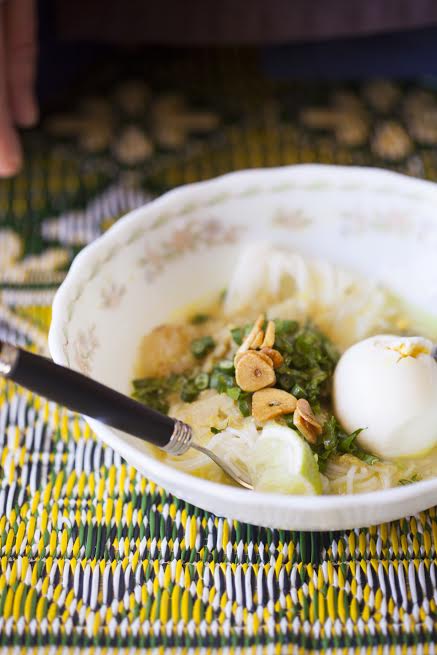
Between Meals collects stories and recipes from California’s refugee women to paint a picture of their lives, past and present. The cookbook chronicles the experiences of women leaving their homes in Afghanistan, Burma, Somalia, Sri Lanka and beyond, and the vital role that traditional cooking plays at every stage of the process.

From the malawah flatbread that Somali refugee Halimo cooked each day in the Dadaab refugee camp, to Afghan newcomer Arezo’s celebratory jalebi sweet, every recipe tells a story.

Between Meals 5

Memory box

Cookbook author Lauren Markham sees Between Meals as both a preservation project – a recipe “memory box” from the US diaspora communities – as well as a reflection on the creative process by which refugee and immigrant women put down roots in their new homes.

It highlights the challenges that women face when adapting their food to new communities, from locating a goat farm an hour’s drive away, to tracking down galangal root at a Chinatown market.

Between Meals is a project of San Francisco Bay Area non-profit agency, Refugee Transitions, which supports newly-arrived refugees and immigrants into their new communities through education, family engagement and community leadership programs.

Funded by Cal Humanities, the cookbook was developed from Refugee Transition’s home-based tutoring program, where shared meals are often core to the student-tutor relationship.

Between Meals 3

Making connections

Executive director Laura Vaudreuil says that, for those who have had to leave all behind, sharing a meal means more than just sharing food: “When all that is left are memories of home, the smells, tastes and experience of a meal recreated can take people back to friends and family.”

Arezo enjoys making her mantu Afghan dumplings for family and new friends. “Mantu is special to me because my mother made it for me the day I found out I was pregnant with my first child.

“I make mantu in California, especially when I miss Kabul and my family in Afghanistan.”

Between Meals is available to order here Profits from the book will be distributed among the cookbook contributors.