Giving Tuesday: Lessons to learn

What can the UK learn from   US Giving Tuesday campaigns?

As featured in The Guardian’s Pick of the blogs

As the UK begins to assess the impact of Giving Tuesday 2014 – its first annual nationwide generic charity giving drive – US charities could offer some useful insights into success as they enter year three of the same campaign.

Launched in the US in 2012 by New York’s 92nd Street Y and supported by the UN Foundation, Giving Tuesday has become the US’s fundraising finale to the post-Thanksgiving retail excesses of Black Friday and Cyber Monday. Each year, thousands of US charities and NGOs piggyback on the still-fledgling campaign, using it as a focus to get individuals and business to donate their money, time and skills to good causes.

Kathy Calvin, CEO of the UN Foundation, comments: “#GivingTuesday is a counter narrative to Black Friday and Cyber Monday because it reminds us that the spirit of the holiday giving season should be about community and not just consumerism.

“The most meaningful gift we can give our children, loved ones, friends and neighbors is the commitment to work together to help build a better world.”

But how does this “counter narrative” work for a nation that does not have a Thanksgiving tradition and the related history of retail excess? Would a post-Boxing Day sales campaign not have more resonance and result?

Earlier this year, veteran UK fundraiser Stephen Pidgeon told delegates at the International Fundraising Congress that Giving Tuesday was unlikely to gain much traction with UK givers. He argued that contriving a day on which people gave to ignored the logic that the best way to engage donors is to use a cause they feel personally connected to: “You have to move people to do something about that – it’s not a process, it’s a feeling.”

Inevitably, social media has driven Giving Tuesday both in the UK and US. According to tweet analysts Topsy, #givingtuesday has racked up eight times as many mentions in the US this year as it has in the UK.

This year, charities and their supporters have been encouraged to post photos tagged with #UNselfie (think the still life version of the #icebucketchallenge videos). Other tips include promoting funding recipient story sharing, highlighting the experiences of volunteers, and sharing social media best practices on your blog to encourage others to develop a Giving Tuesday strategy.

California immigrant support charity Refugee Transitions is using the #GivingTuesday campaign via Facebook and Twitter to harness support for its education, family engagement and community leadership opportunities. A board member and donor at the NGO says: “When you give to RT, your donations aren’t merely consumed. There is a multiplier effect. Your donations help change lives, families, and communities.”

But, as proponents insist, Giving Tuesday isn’t just about raising money. It’s also about telling people about your mission and raising awareness. Phoenix House, a national organization helping men, women and teens to overcome addiction, asked its networks to write letters of encouragement to the people in its treatment programs. The group had a template letter on its website for people to download, customize and send back to the organization, which then delivered those letters on Giving Tuesday. From its efforts, the group gained a lot of media attention and was included in articles on Mashable and the Huffington Post.

US-based nonprofit innovator Beth Kanter comments: “Giving Tuesday is more than just a kickstarter for nonprofits to launch their annual appeals.

“The day has so much more potential…  to be a day when nonprofits give to each other and create abundance.”

The marriage of mobile and social

DoSomthing.com offers a mobile-friendly platform, says Sharma

dosomething.org offers a mobile-friendly platform, says Sharma (Photo credit: Rona Chan)

As featured in The Guardian’s Pick of the blogs

How many unread emails are sitting in your inbox right now? And how many unread texts do you have?

Chances are the former number far outweighs the latter. Because of the urgency of the medium, we tend to respond to texts immediately; emails can be left unchecked (read: ignored) for days, weeks or more.

For nonprofits, mobile represents a huge but often underemployed part of their communications mix. Ritu Sharma is executive director of Social Media for Nonprofits, a US-based organization that brings social media education to nonprofits worldwide. She asserts that mobile is the next evolution in the social and communications space that nonprofits should be preparing for right now.

And the figures are compelling. In the US, 91 per cent of the population use a cell phone and 63 per cent only go online via their mobile. Latest industry figures show around 9 per cent has used their cell phone to make a charitable donation (compared to 20 per cent online).

According to research by Pew, mobile giving played a particularly prominent role in the aftermath of the 2010 Haiti earthquake. Individual donors contributed an estimated $43 million to the assistance and reconstruction by responding to a text giving campaign.

Mobile donations may be beyond the financial or administrative reach for many nonprofits. But Sharma argues that there are “intermediate steps” to mobile comms, to ensure that your organization does not miss out on those users who only access information via their cell phones.

For example, is your e-newsletter mobile friendly? “A lot of email newsletters are not automatically mobile friendly,” says Sharma. This is an immediate turn-off for those supporters who access your messages via their phone. She advises to stick to single column content; use smaller/fewer images; use a low scroll and, crucially, keep it short.

Sharma cites the Pajama Program and dosomething.org as being among the US nonprofits using mobile effectively to reach out to their supporters and potential donors.

As well as using mobile to engage, Sharma says nonprofits can harness this medium for events – from auctions to conference registration.

She concludes: “Mobile has to be part of your entire brand.”

Feeding the spirit

Between Meals 1 (not in final)

As featured in The Guardian’s Pick of the blogs

As newly-arrived refugees and immigrants navigate the myriad challenges in their new environments, it is often food and its important cultural traditions that are the mainstay in this journey.

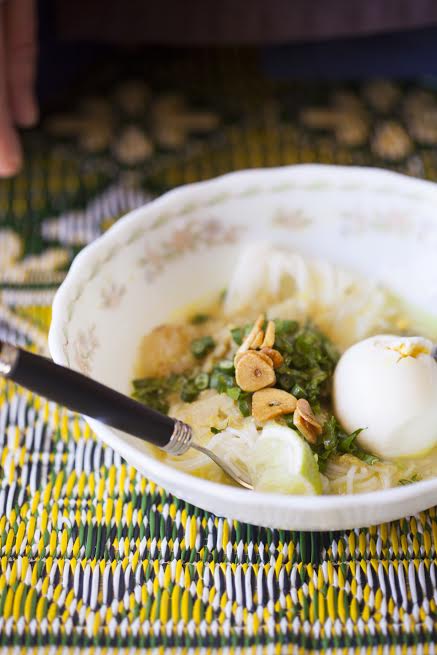
Between Meals collects stories and recipes from California’s refugee women to paint a picture of their lives, past and present. The cookbook chronicles the experiences of women leaving their homes in Afghanistan, Burma, Somalia, Sri Lanka and beyond, and the vital role that traditional cooking plays at every stage of the process.

From the malawah flatbread that Somali refugee Halimo cooked each day in the Dadaab refugee camp, to Afghan newcomer Arezo’s celebratory jalebi sweet, every recipe tells a story.

Between Meals 5

Memory box

Cookbook author Lauren Markham sees Between Meals as both a preservation project – a recipe “memory box” from the US diaspora communities – as well as a reflection on the creative process by which refugee and immigrant women put down roots in their new homes.

It highlights the challenges that women face when adapting their food to new communities, from locating a goat farm an hour’s drive away, to tracking down galangal root at a Chinatown market.

Between Meals is a project of San Francisco Bay Area non-profit agency, Refugee Transitions, which supports newly-arrived refugees and immigrants into their new communities through education, family engagement and community leadership programs.

Funded by Cal Humanities, the cookbook was developed from Refugee Transition’s home-based tutoring program, where shared meals are often core to the student-tutor relationship.

Between Meals 3

Making connections

Executive director Laura Vaudreuil says that, for those who have had to leave all behind, sharing a meal means more than just sharing food: “When all that is left are memories of home, the smells, tastes and experience of a meal recreated can take people back to friends and family.”

Arezo enjoys making her mantu Afghan dumplings for family and new friends. “Mantu is special to me because my mother made it for me the day I found out I was pregnant with my first child.

“I make mantu in California, especially when I miss Kabul and my family in Afghanistan.”

Between Meals is available to order here Profits from the book will be distributed among the cookbook contributors. 


Brands continue to target fast food marketing at kids

child eating beefburger

Each year, the world’s food and beverage companies spend billions on marketing and advertising their products to children and teenagers. The overwhelming majority of these products are high in calories, added sugar, saturated fat and sodium – fast food, fizzy drinks, sweets and chocolate to name just a few. Ask your child to recall a food advert and chances are that it won’t be one for apples or broccoli.

US fast food restaurants alone spent $4.6bn on advertising to children and teens in 2012. According to Fast Food Facts 2013, children under six saw almost three adverts for fast foods every day, while 12-17-year-olds saw almost five adverts a day.

Between 2010 and 2013, the number of kids’ meals at fast-food restaurants increased by 54%. But the percentage of items that qualified as healthy – less than 1% – remained stagnant.

Report lead author Jennifer Harris, director of marketing at the Yale Rudd Center for Food Policy & Obesity, is concerned that many companies are shifting their focus to increase reach into markets not currently covered by the current system of voluntary self regulation.

“A lot of companies have switched their marketing target to the 12-14 [age] group. This is a really vulnerable time for kids; they are seeing more media and making more decisions on their own,” Harris says.

Around one in three children in the US – and in the UK – is overweight or obese. A study published this month by Roberto De Vogli of UC Davis in California found that fast food purchases were independent predictors of increases in the average body mass index (BMI) in the US and 24 other wealthy nations between 1999 to 2008.

So what is business doing?

Encouraging food and drink companies to rethink their messages is the aim of the first White House convening on food marketing to children. Launching the meeting last September, US First Lady Michelle Obama called on the private sector to “move faster” to market responsibly to children.

In January 2014, Subway became the first quick service chain to join Partnership for a Healthy America, a campaign endorsed by Obama to bring together business, non-profits and health advisers to tackle childhood obesity. A three-year commitment worth $41m will see it market healthier options and promote fruit and veg consumption.

Disney has pledged that by 2015, all food and beverage products advertised, sponsored, or promoted on Disney-owned media channels, online destinations and theme parks will be required to meet nutritional guidelines that align with federal standards to promote fruit and vegetables and limit calories, sugar, sodium, and saturated fat.

Earlier this year, Lidl became the first supermarket group in the UK to remove unhealthy products from all tills across its stores, with no seasonal exceptions for Christmas or Easter confectionery. Lidl is replacing these products with healthier options including fresh and dried fruits, nuts and bottled water.

Should regulation be playing a bigger role?

In the UK, regulation exists to prevent adverts for unhealthy foods from being broadcast during or around programmes specifically made for children. But the Children’s Food Campaign (CFC) argues that the popularity of family entertainment shows like The X-Factor means later bedtimes for many children – and advertisers are taking advantage by promoting unhealthy foods at these times.

In a joint campaign with the British Heart Foundation, the CFC will next month call for a 9pm watershed for fast food and drinks ads and clearer definition of ‘healthy’ and ‘unhealthy’ foods, to close existing loopholes.

But the ISBA, which represents British advertisers, argues that the causal link between the ads that viewers watch, and the food choices they make, is “nominal”, and ad prohibitions are currently viewed at the “silver bullet” for tackling a complex public health issue.

Ian Twinn, ISBA’s director of public affairs says: “Encouraging people to change their lifestyle rather than slapping bans on ads is what will make a difference.

“There are plenty of good examples of big brands changing their messages to ensure they stay relevant to their consumers but support the overall message for a healthier lifestyle. Coca-Cola, for instance, only advertises its low calorie or sugar-free products.”

The UC Davis study suggests that if governments take action to control food industries, they can help prevent obesity and its serious health consequences, including cardiovascular disease and diabetes. This echoes calls in the UK and US for more robust, government-led regulation of the industry, rather than voluntary self-regulation.

In the UK, the CFC hopes the government’s food promotion pledge – expected late spring as part of its public health responsibility deal – will target point-of-sale, product packaging, digital marketing and in-school promotion.

Beyond the supermarket

The CFC’s Junk Free Checkouts campaign, launched last September, challenged supermarkets to act on consumer concerns about “pester power” and remove unhealthy snacks from checkouts and queuing areas. Shoppers were urged to hand in pass or fail cards to store managers, and name and shame supermarkets via a dedicated website.

Malcolm Clark, CFC co-ordinator, says: “The government’s responsibility pledge covers supermarkets, but WH Smith and Boots have chocolate at the checkout, so the question will be whether they engage with the other companies.”

Dr Emma Boyland, a psychologist at the University of Liverpool who specialises in the effects of food marketing on children’s diets, says the next challenge is to tackle promotion to children via advergaming and social media.

“The cross-border nature of this [area] means that government can only tackle .co.uk. A little progress has been made with TV but advertising has moved to the Internet.. and into another sphere.”

How can companies engage with children and young people?

Originally published in The Guardian

Almost one third of the world’s population – over 2.2 billion – is under 18 so it is inevitable that business has an impact on their daily lives. Today’schildren and young people are tomorrow’s consumers, employees and community members. Together, these facts make a compelling case for business to give their young stakeholders a voice in how they operate and strategise.

But when is it appropriate for business to actively involve children? And how can they harness young people’s views in a meaningful way that protects their rights whilst allowing them to fully participate in business decisions?

From their current influence on decision making to their future purchasing power, children represent a powerful force in the marketplace. Emma Rea is the founder of brand and innovation consultancy Number 71, which works with UK businesses including Pizza Express and Byron. She says children’s “largely unfettered imaginations” offer business unique insights and perspectives.

“Because they are not bound by the constraints of corporate life, and have no knowledge of company structures, awareness of production capabilities and the like, children and young people are able to see opportunity where adults see issues, see solutions where we see problems and, crucially, make connections that we would never have thought possible.”

Rea believes there is a strong business case for involving children’s voices in the design of new buildings and services: “Whether it is a school building, a public transport ticket machine or a new snack food, organisations should consult children on what they would like and listen to their views before making final decisions. The end results are far more likely to be readily taken up and enjoyed by children.”

In addition to inviting children and parents to help enhance its store design and customer experience, toy manufacturer Lego offers young people a chance to have a say in product design. Launched in 2008,Lego CUUSOO (Japanese for ‘wish’) is an online crowdsourcing project that invites users to submit and vote for ideas for new Lego sets. If an idea gets 10,000 votes, Lego will review it for possible production. If the idea gets the green light, its creators get a 1% share of the product’s net sales. Creators must be 18 so they are eligible to enter a formal contract if successful, however bids can be supported by children age 13 and over.

While true ‘co-creation’ product initiatives like this one are still relatively rare, involving children and young people in strategic planning has become more commonplace. B&Q launched its first Youth Board in 2011 following a nationwide search for nine young people to rethink and redesign the company’s business model for the future. As part of its work with the Ellen MacArthur Foundation on sustainability, the company wanted recruits to reassess its business in the light of future challenges such as the rising costs of materials and energy, and growing population.

During the year-long project, members aged 16 to 19 were mentored by their counterparts on the B&Q board. Their recommendations include more targeted marketing campaigns via social media to reach younger generations, and developing closed loop brands, products and services that will add value now and in the future.

Plan International USA has child advisory groups in its 50 programme countries and youth advisory boards in its fundraising offices. The child poverty NGO has just appointed its first youth trustee – 22-year-old Marisa Haire – who has been involved with Plan since she was 13, when she helped to launch the YUGA nationwide network of young people who take action on global issues.

President and CEO, Tessie San Martin, says young people become involved with Plan via clearly defined routes: “They learn the issues, engage with Plan in youth-friendly ways, and over time gain an understanding of the organisation. By engaging youth at different levels within the organisation, we’ve created a model that supports sustainable engagement.”

Plan also engages children and young people through youth media clubs, where participants conduct research about a rights issue, partner with a local radio station or TV station, interview members of the community, and design educational radio and TV programmes.

San Martin has seen these projects at work in Ecuador. “The children and youth in very poor and drug-ridden neighbourhoods put together some incredibly well-done and impactful docu-dramas around very tough themes like drug abuse, crime, and sex trafficking,” she says.

“Adult community leaders found that such actions were far more effective than anything they could have designed to disseminate important public health and education messages that actually impact attitudes and behaviours,” she adds.

Organisations should see participation by children as a strategic asset and not a “tick-the-box” exercise, says San Martin. Another challenge is having the right systems in place to support such engagement, such as training or mentoring for staff working with young people. Clear evaluation and measurement guidelines are also essential, to give all involved the chance to identify on a regular basis what is and is not working.

San Martin stresses that it is “crucial” that organisations establish and adhere to policies around child and youth protection, participation, and ethics. The UN’s Guiding Principles on Business and Human Rights sets out a framework for how business should protect the rights of stakeholders, including children, in its operations.

The Children’s Rights and Business Principles, developed by UNICEF, the UN Global Compact and Save the Children, builds on this by setting out the actions that business can take in the workplace, marketplace and community to respect and support children’s rights.

Denise Kleinrichert, associate professor, management/ethics at theCenter for Ethical and Sustainable Business at San Francisco State University, believes organisations need to ensure that there is “informed consent” when working with children.

“I think it is ethical to include children’s voices but you have got to have protection,” she says. “If you are approaching children in social media environments designed for and by children, there are still privacy issues that can result in harm.

“And are children fully informed? Do they understand what they are being asked to do?”

Rea agrees that organisations should be sensitive around age and privacy issues, but adds: “As soon as children can offer a point of view or preference for things, then we should take their views on board. This is not just an altruistic vision, but a pragmatic one.”